When it comes to infection control in hospitals, what healthcare workers wear plays a crucial role in keeping both patients and staff safe. From scrubs to surgical gowns, every piece of workwear is designed to minimise the spread of harmful bacteria and ensure a sterile environment, especially in high-risk areas like operating theatres.
To maintain their hygiene and effectiveness, healthcare uniforms are monitored through strict national cleaning and maintenance standards. The laundering of healthcare uniforms follows best practices set out in AS 3789.3:19941 and AS/NZS 4146:20002, ensuring hospital textiles remain clean and safe. Additionally, standards like AS/NZS 4501 for protective clothing and AS/NZS 4381:20153 for single-use face masks guarantee that healthcare uniforms meet the highest safety and performance requirements.
With proven expertise in crafting on-brand yet performance-driven workwear, leading uniform provider Total Image Group (TIG) shares insights into how healthcare uniforms uphold safety standards without compromising comfort, durability, or professional presentation.
Scrubs: The First Line of Defence
More than just a basic garment, scrubs are a must-have in any healthcare uniform range. Traditionally made from a polyester-cotton blend, scrubs are designed to be breathable, durable, and easy to clean; essential qualities that help reduce the spread of germs staff encounter during their demanding, fast-paced shifts.
To maximise the effectiveness of healthcare uniforms for infection control, clinics also tailor their practices to the specific risk levels of each department or area. For example, disposable polypropylene scrub suits are preferred in high-risk settings such as operating theatres because they are discarded after use. Meanwhile, colour-coded scrubs clearly differentiate between sterile and non-sterile zones, further supporting strict infection control measures.
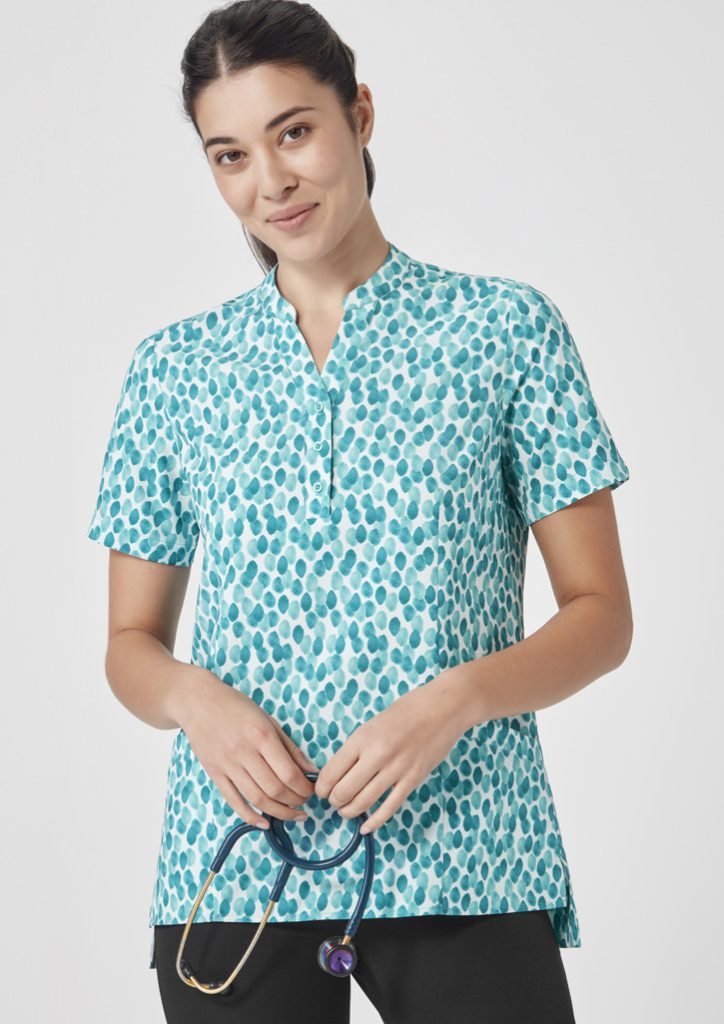

However, a new wave of innovation is transforming the way healthcare uniforms perform and protect. Antimicrobial-treated fabrics, infused with silver or copper nanoparticles, actively inhibit bacterial growth, helping to reduce contamination between washes. These materials are being incorporated into scrubs and surgical gowns to provide an extra layer of protection.
Smart textiles are also on the horizon. Some innovative fabrics can detect contamination and alert healthcare workers when a garment needs to be changed. Others have self-sanitising properties, using embedded antimicrobial agents to continuously neutralise pathogens. While still in development, these advancements could revolutionise hospital infection control.
Surgical Gowns: Essential Barrier Protection
Surgical gowns provide an extra layer of defence within healthcare uniforms, particularly during procedures where exposure to blood and bodily fluids is high. These gowns are made from specialised materials with a three-layer structure, like polyethylene-coated fabrics or reinforced spunbond-meltblown-spunbond (SMS) textiles, which prevent bacteria from passing through.
However, the healthcare industry faces significant environmental challenges. With public-run health services producing an estimated 52,400 tonnes annually, including 5,200 tonnes of clinical waste (NSW Circular, 2021), it is no surprise that reusable surgical gowns are growing in popularity. When properly laundered under strict hospital protocols, reusable surgical gowns offer the same level of protection as disposable options, helping healthcare facilities minimise their environmental footprint without sacrificing safety.
Head Coverings and Masks: Stopping Airborne Contamination
As a vital component of healthcare uniforms for infection control, head coverings and masks are essential in operating theatres and other sterile environments. Items such as bouffant caps, surgical headgear, and fitted masks help prevent hair, skin particles, and respiratory droplets from entering the sterile field, minimising the risk of airborne contamination.
To enhance protection for both patients and staff, surgical masks and N95 respirators are essential components of healthcare uniforms, with face shields and goggles added for higher-risk environments. Together, these layers ensure healthcare uniforms for infection control not only meet but exceed safety standards, fostering a safer environment across all clinical settings.


Footwear and Infection Prevention
Footwear is a crucial part of healthcare uniforms for infection control, providing far more than just comfort and support during long, demanding shifts. Engineered with slip-resistant soles and made from easy-to-clean materials, healthcare shoes play a vital role in preventing the spread of contaminants—especially in overlooked areas like floors and corridors—significantly reducing the risk of cross-contamination within clinical environments.
Keeping It Clean: Laundering Healthcare Uniforms
No matter how protective they are, healthcare uniforms can only perform at their best when backed by strong hygiene protocols. Daily laundering in industrial-grade machines using high temperatures of 60-80°C and hospital-approved disinfectants is essential to eliminate any bacteria, viruses, or contaminants picked up during a shift.
For staff who wash their scrubs at home, it is recommended to separate healthcare uniforms from other laundry while practicing proper laundering guidelines. This need is reinforced in a study shared by Technology Networks (2025), which found that domestic washing machines often fail to eliminate harmful bacteria found in healthcare uniforms.
Given these findings, organisations should consider how they can better support staff with protective and hygienic attire. Options might include providing subsidised uniforms, which has been further explored in our previous articles, or introducing innovative workplace initiatives like free access to industrial-grade laundering services within clinics, to ensure healthcare uniforms work with staff, not against them.