When deciding on uniforms, it’s easy to focus on just one thing: price. With tight budgets and growing workforce demands, cheap uniforms can seem like a smart solution upfront. However, the real cost isn’t always reflected on the invoice.
More than a simple procurement expense, uniforms shape how your staff show up each day, impacting comfort, confidence, and the way your brand is represented. When the wrong choice is made, hidden costs can quickly build over time.
As experts in bespoke uniform design, Total Image Group (TIG) breaks down the true difference when choosing cheap uniforms over quality workwear, the fabric choices that matter most, and why the right uniform is ultimately an investment in your people and your brand.
Understand Workwear Requirements
No two workplaces operate the same way, which is why uniforms should never be one-size-fits-all. The difference between cheap uniforms and high-quality uniforms often comes down to how well they are designed for the job at hand.
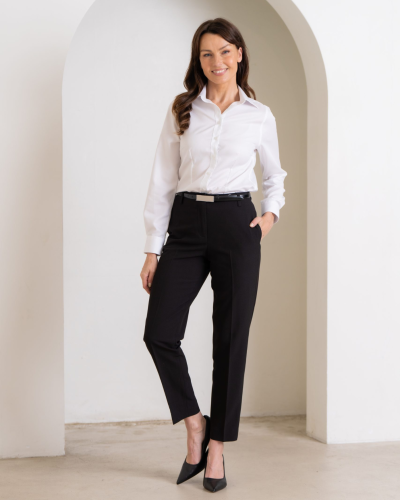
Even if a team looks the part, a uniform that isn’t tailored to fashion and function can become a workplace liability rather than a tool for performance and professionalism. When worn throughout long shifts, the quality of the fabric, fit, and design becomes essential. While cheap uniforms may claim to incorporate key features, they often fail to perform as effectively over time, ultimately resulting in lower productivity, discomfort, and reduced confidence.
Workwear requirements extend beyond fit alone, with every industry needing specialised features that help uniforms perform in real work conditions. Fast-paced industries like healthcare or food service typically prioritise attire that feature stain resistance and moisture-wicking to remain cool yet professional throughout the day. In contrast, corporate workplaces often seek a more tailored yet convenient experience, focusing on wrinkle-resistant fabrics, structured finishes, and strong branding consistency that reflects the organisation’s image. While cheaper uniforms appear suitable at first glance, a closer look at the details shows why choosing solely on price can be a risky decision.

Evaluate Fabric Types
Although budgets differ across teams, choosing the right uniform is about understanding what will be most effective with the resources you have. Even when working within cheaper options, perceiving the range through a people-first lens prevent garments to be selected based on short-term savings alone. Learn about some of the most durable fabric options that make even the cheapest uniforms last longer:


- Crafted from a tightly woven structure that delivers a dense, durable finish
- Signature diagonal weave enhances resistance to tearing, abrasion, and daily wear
- Commonly used in workwear essentials like chinos, jeans, and overalls
- Ideal for industries that require uniforms to withstand frequent washing and heavy use
- A synthetic fibre that is significantly stronger and more durable than natural fabrics
- Is low maintenance and does not compromise on performance (e.g. durable, moisture-wicking)
- Recycled polyester is great for organisations seeking an eco-friendlier option
- Is now one of the most widely used fibres in the textiles industry
- Strikes the perfect balance of durability and water-resistance
- Commonly used in activewear and outerwear like jackets
- Increasingly available in recycled forms, offering a more sustainable alternative
- Requires low-heat laundering and drying to maintain fabric performance and longevity
Choosing Uniforms That Do Good
As a certified B Corp, TIG believes uniforms should look good, feel good, and do good. By supporting organisations through initiatives such as eco-friendly product ranges and recycling programs across the uniform lifecycle, sustainability becomes a practical, measurable commitment rather than a marketing claim.
Once considered a buzzword, sustainability is now firmly established in the uniform industry. It has become a key consideration for organisations looking to extend their impact beyond day-to-day operations and better understand how their workwear is sourced, supplied, and managed.
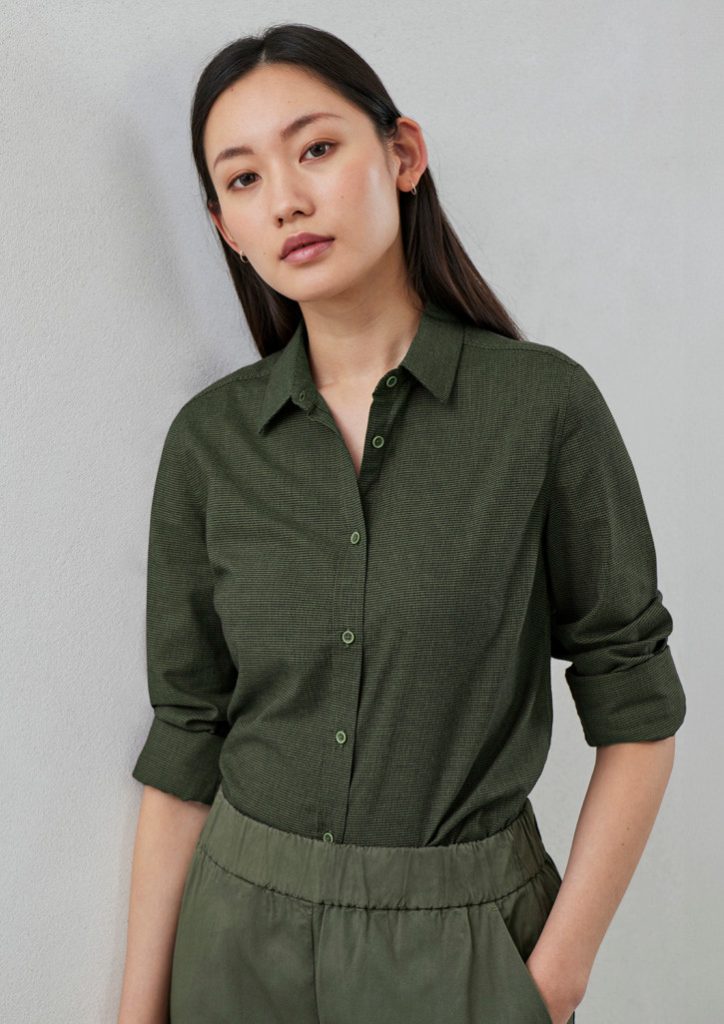
This shift is reinforced by South Pole’s press release (2025), which show Australians are increasingly factoring sustainability into decisions beyond daily consumption, including where they bank (63%) and where they choose to work (57%). Employees are now paying closer attention to how their workplace choices affect the planet, making it more important than ever for businesses to set clear, genuine sustainability targets. Investing in longer-lasting, responsibly made uniforms is one meaningful way to support those commitments; something cheap uniforms rarely help achieve.
While many factors influence the cost of a uniform, prices that seem too good to be true often signal hidden compromises in quality, ethics, and environmental impact. Much like fast fashion, cheap uniform manufacturing relies on rapid production and low prices at the expense of people and the planet. In contrast, a more considered approach to uniform design, one that prioritises durability, responsible sourcing, and transparency, demonstrates how uniforms can be part of a positive, long-term sustainability strategy.
Building Pride Through Purposeful Workwear
Uniforms may seem simple, but they can make or break how employees feel at work. Cheap uniforms can quickly become a source of frustration when staff are faced with unflattering fits, low comfort, frequent replacements, and an overall poor appearance. Over time, those frustrations can chip away at confidence and morale.

A strong example of the difference quality workwear can make is TIG’s partnership with Smartways, where a refreshed design improved functionality and staff experience. By incorporating Smartways’ signature red and navy colours into a compliant hi-vis uniform, the solution eliminated the need for additional hi-vis layers, streamlining how staff dress each day and reducing the need for frequent replacements. Bold and innovative, the collaboration resulted in the development of Australia’s first-ever hi-vis red polo; an outcome that simply wouldn’t have been possible through cheap uniforms.
Ready to move beyond cheap uniforms? Speak with our experts today to create a tailored uniform solution.