Uniforms should always be comfortable, functional, and presentable, but for employees working in extreme temperatures, the right workwear is essential for safety and performance. Whether your team is braving scorching heat on a construction site or freezing conditions in cold storage, selecting the right extreme temperature work uniforms ensures protection, comfort, and productivity.
As leaders in innovative uniform solutions, Total Image Group (TIG) understands the demands of diverse work environments and provides expert insights on choosing the best uniforms for extreme weather conditions.
Understanding the Impact of Extreme Temperatures
Australia’s varied climate presents unique challenges for industries such as construction, mining, agriculture, and cold storage. Without the right workwear, employees risk serious health issues, including heatstroke and frostbite. Specialised work uniforms for extreme temperatures are designed to mitigate these risks while ensuring durability and ease of movement.
Key Features for Hot Climates
For teams working in hot and humid environments, breathable, lightweight work uniforms are key to keeping workers cool, dry, and protected. Here’s what to look for:
- Moisture-wicking and breathable fabrics – Materials such as cotton blends and high-performance moisture-wicking fabrics improve airflow and help regulate body temperature.
- UV-protective clothing – Australia has some of the highest UV levels in the world, making sun-protective work uniforms a must to prevent sunburn and long-term skin damage.
- Ventilated designs and cooling technology – Features like mesh panels and strategically placed vents enhance airflow, keeping workers comfortable in extreme heat.
- Light-coloured fabrics – Lighter shades reflect heat rather than absorbing it, reducing overall body temperature and increasing comfort during long shifts in the sun.
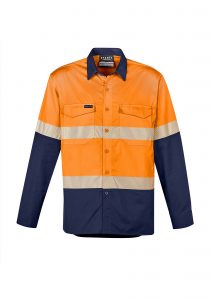
By choosing the right extreme temperature work uniforms, employers can significantly reduce the risks associated with extreme heat and ensure the safety and comfort of their outdoor workforce. Check out some of TIG’s top picks that will help beat the heat:




Key Features for Cold Climates
When the temperatures start to drop, equip your team with gear that will keep them warm, dry, and protected by searching for these essential features:
- Insulated and thermal lined materials— These features will help retain body heat and ensure warmth, even in freezing temperatures.
- Windproof and waterproof layers— Use garments that block harsh winds and prevent water penetration, which help prevent illnesses like hypothermia.
- Layering strategies for warmth and flexibility— Support workers with clothing that can be easily layered, allowing them to adapt to varying temperatures while maintaining comfort and mobility.
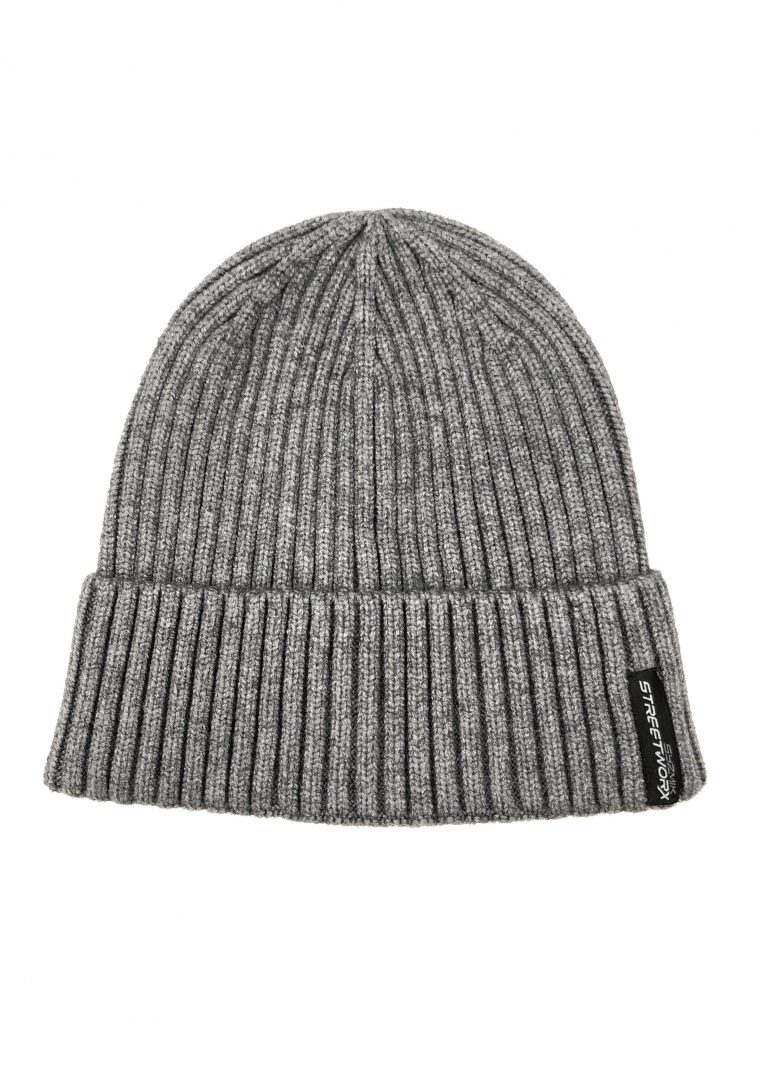
TIG’s top picks for cold weather protection:



Industry-Specific and Safety Standards
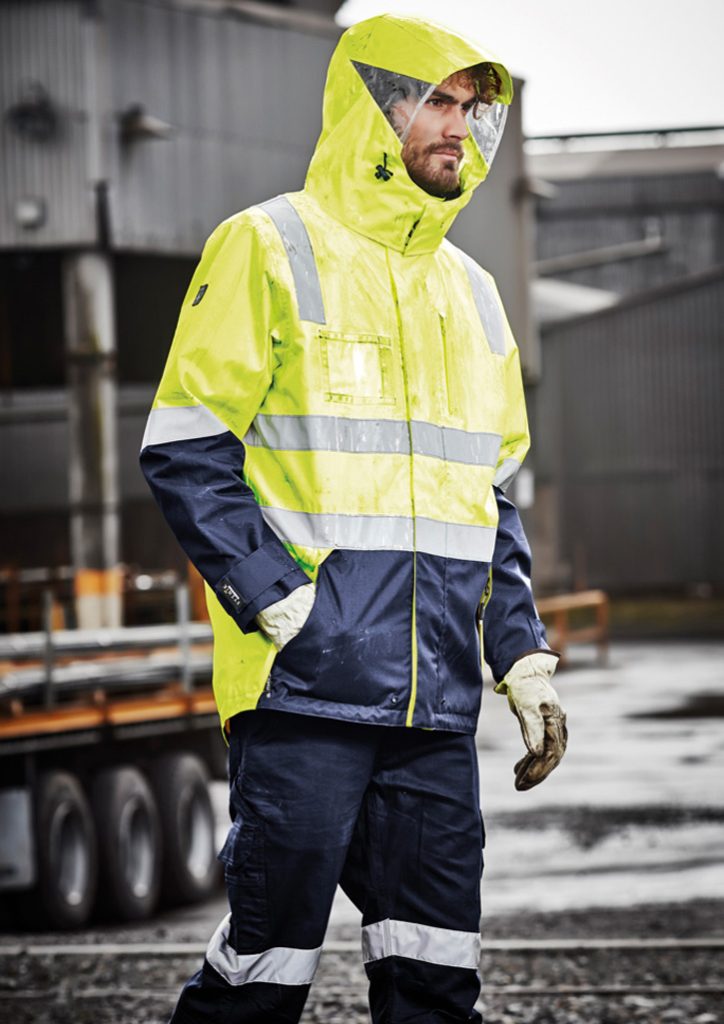
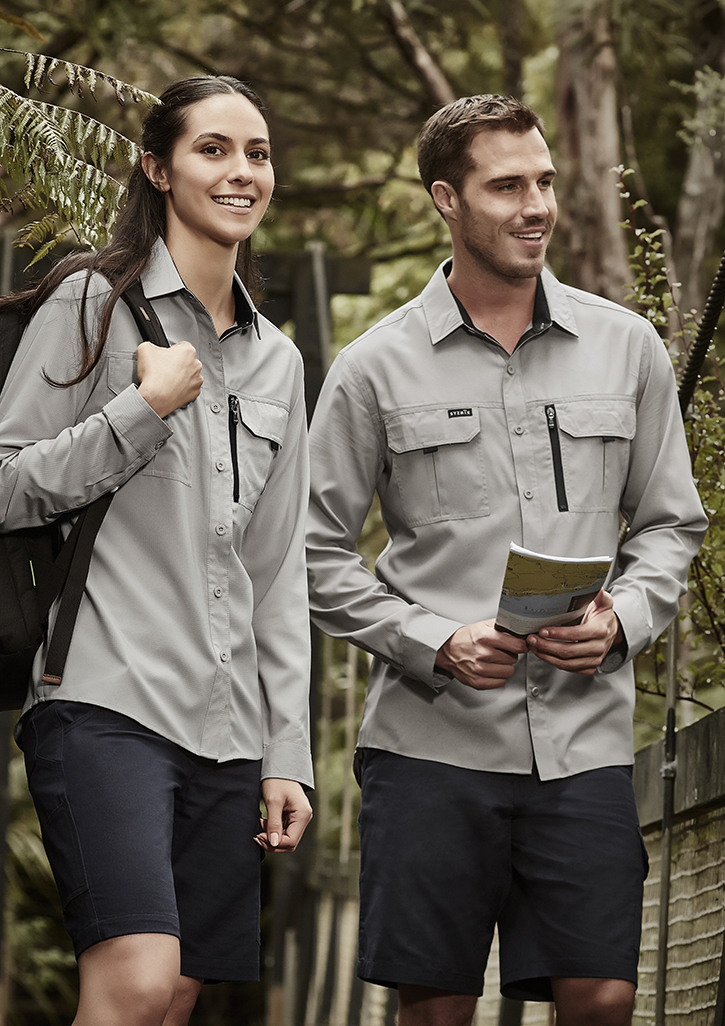
Customisation is key for extreme temperature work uniforms as it ensures that each garment is tailored to the specific demands of every role. From the rigorous safety standards required for Hi-Vis workwear to flexible, layering-friendly outerwear designed for outdoor staff like park rangers, fit-for-purpose uniforms help improve comfort, safety, and performance.
Customisation and Branding in Uniforms
While branding plays an important role in promoting your company, it should never come at the expense of safety or comfort. When customising extreme weather work uniforms, it’s crucial to balance branding with functionality. For enhanced visibility, reflective elements can be incorporated. However, traditional embroidery on protective garments such as waterproof jackets may compromise their effectiveness. To maintain both branding and performance, heat transfer branding is a recommended alternative, ensuring durability without sacrificing protection.
Care and Maintenance of Climate-Specific Workwear
Extreme temperature work uniforms endure harsh conditions, leading to more wear and tear than standard workwear. To maintain their durability and performance, proper care is essential. This includes following manufacturer-recommended washing and storage guidelines, using gentle detergents, and keeping uniforms in a cool, dry place to prevent fabric deterioration.
Regular inspections are crucial for maintaining safety and compliance. Any visible damage, such as fraying seams, compromised insulation, or faded reflective materials should prompt immediate replacement. This is especially important for Hi-Vis and thermal protective garments, where even minor wear can create serious safety risks.
Additionally, some safety standards require scheduled uniform replacements, even if garments appear functional. For example, Hi-Vis workwear typically follows a 3–6-month replacement cycle to maintain visibility and worker protection. To help reduce textile waste while ensuring compliance, TIG offers uniform recycling programs, supporting a more sustainable and responsible approach to workwear management.
Choosing a Reliable Uniform Supplier
For extreme temperature work uniforms, selecting a supplier with proven expertise in supplying durable, high-quality workwear is essential. By choosing trusted providers like Total Image Group, you ensure that your uniforms meet both your brand’s specific needs and industry safety standards, giving your workforce reliable, comfortable, and functional uniforms for even the most challenging environments.